If you are searching for the best thyroid doctor in Egypt, choosing the right specialist is an important step toward understanding your diagnosis and finding the most appropriate treatment. Thyroid conditions range from hormone imbalances that can often be treated with medication to thyroid nodules, goiters, and tumors that may require specialist assessment or surgery.
The right doctor depends on your condition. Some patients need an endocrinologist to manage thyroid hormone disorders, while others may need an experienced thyroid surgeon to evaluate a suspicious nodule, an enlarged thyroid gland, or a condition that may require surgery.
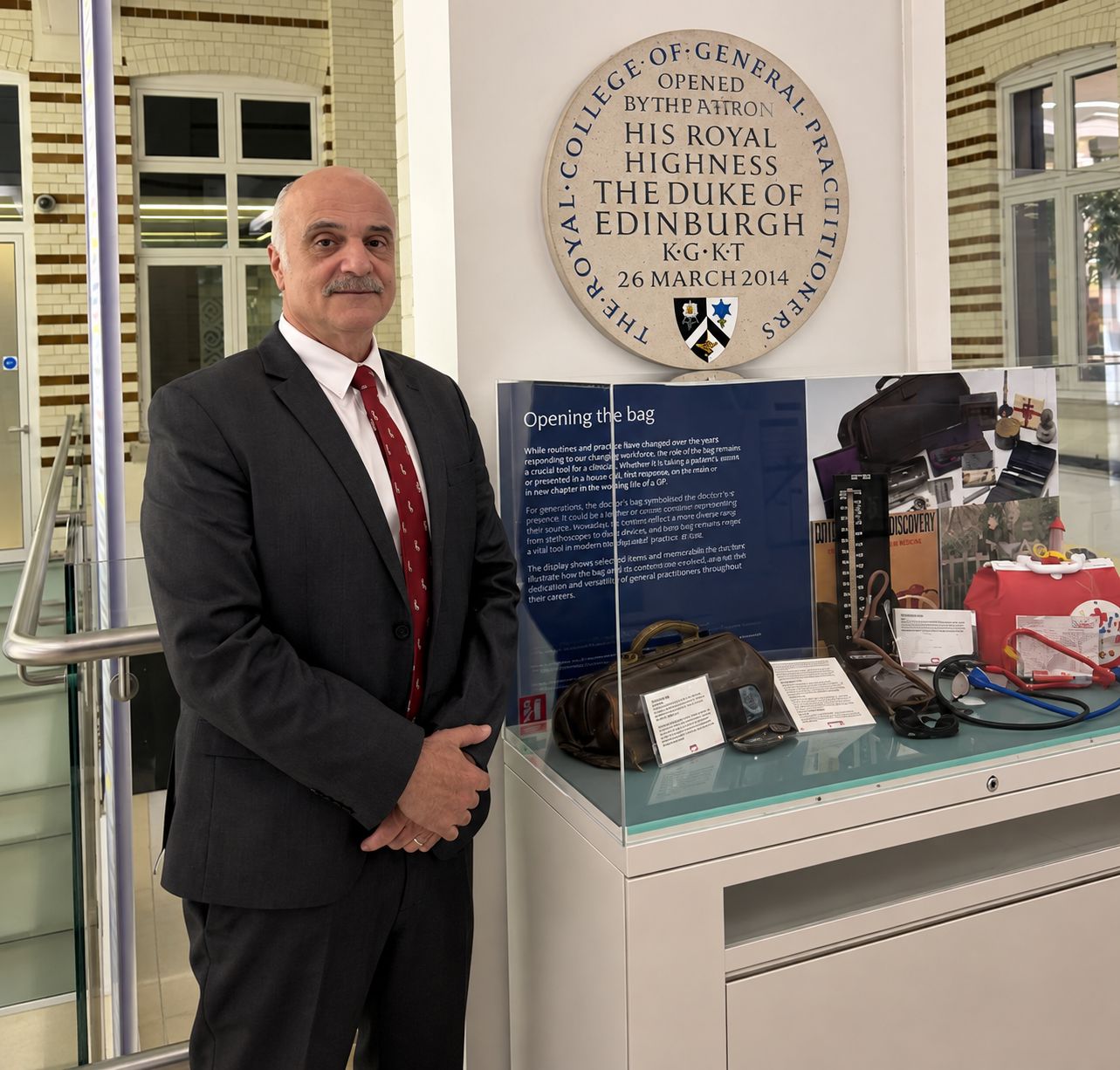
In Cairo, Professor Dr. Ashraf Salem is a consultant in general surgery, laparoscopic surgery, and endocrine surgery, including thyroid and parathyroid procedures. Patients considering thyroid surgery can arrange a consultation to review their investigations and discuss suitable treatment options.
Which Doctor Should You See for a Thyroid Problem?
Not every thyroid condition requires surgery. Choosing the appropriate specialist depends on your symptoms, test results, and diagnosis.
1. Endocrinologist for Thyroid Hormone Disorders
An endocrinologist specializes in hormonal conditions and may be the appropriate doctor if you have:
- An underactive thyroid (hypothyroidism).
- An overactive thyroid (hyperthyroidism).
- Abnormal thyroid function test results, such as TSH or free T4.
- Thyroid hormone problems that require medication and ongoing monitoring.
Many thyroid hormone disorders can be managed without surgery.
2. Thyroid Surgeon for Thyroid Nodules, Goiter, and Surgical Conditions
A thyroid surgeon evaluates conditions in which an operation may be appropriate, including selected cases of:
- Thyroid nodules that have suspicious ultrasound or biopsy findings.
- A large goiter causing difficulty swallowing or breathing.
- Thyroid tumors requiring surgical treatment.
- Thyroid cancer when surgery is indicated.
- Certain cases of hyperthyroidism in which surgery is an appropriate treatment option.
A surgical consultation does not automatically mean that an operation is necessary. The decision should follow a careful assessment of the diagnosis, test results, symptoms, and available alternatives.
When Should You See a Thyroid Specialist?
You should consider medical evaluation if you notice a lump or swelling in the front of your neck, have persistent unexplained voice changes, or receive abnormal thyroid test results.
A specialist assessment may also be appropriate if you have been diagnosed with a thyroid nodule, have difficulty swallowing, or have been advised to consider thyroid surgery.
Seek emergency medical care if you experience significant difficulty breathing or rapidly increasing swelling in the neck.
What Conditions Does a Thyroid Doctor Treat?
Thyroid specialists assess several conditions, and treatment varies according to the underlying problem.
Thyroid Nodules
Thyroid nodules are growths within the thyroid gland. Many are benign, and some require only periodic monitoring. Depending on their ultrasound features and size, some nodules may need a fine-needle aspiration biopsy or further evaluation.
Surgery may be considered when findings indicate a need for removal, when a nodule causes significant pressure symptoms, or when other clinical factors support intervention.
Thyroid Cysts
A thyroid cyst contains fluid and may be entirely fluid-filled or have both fluid and solid components. Treatment depends on its ultrasound appearance, symptoms, recurrence, and overall assessment.
Options may include monitoring, aspiration, selected nonsurgical treatments, or surgery when indicated.
Goiter (Enlarged Thyroid Gland)
A goiter is an enlargement of the thyroid gland. Depending on its cause and size, it may require monitoring, medication, further investigation, or surgery.
Surgical treatment may be considered when the enlargement causes pressure on nearby structures or when other findings make surgery appropriate.
Thyroid Cancer
When thyroid cancer is diagnosed or strongly suspected, treatment depends on the type of cancer, its characteristics, and the individual patient’s circumstances. Surgery may be an important part of treatment, but the plan should be determined through appropriate specialist evaluation.
What Tests May Be Needed Before Thyroid Treatment?
The investigations recommended depend on your symptoms and suspected diagnosis. They may include:
- Thyroid blood tests: TSH and other thyroid hormone tests when indicated.
- Thyroid ultrasound: To assess the gland, nodules, cysts, and relevant neck structures.
- Fine-needle aspiration (FNA): For selected nodules when their ultrasound characteristics and size justify sampling.
- Additional assessment: Depending on the diagnosis, symptoms, and proposed treatment.
Not every patient needs every test. Your doctor should explain which investigations are necessary and how the results affect the treatment plan.
How to Choose the Best Thyroid Doctor in Egypt
When comparing thyroid specialists, look beyond advertising claims and consider their qualifications, experience, and approach to patient care.
Relevant Medical Qualifications
Check the doctor’s specialist training, professional credentials, and experience in managing the particular thyroid condition you have.
Experience in Thyroid Surgery
If surgery is being considered, ask about the surgeon’s experience with thyroid procedures and how the recommended operation relates to your diagnosis.
Careful Evaluation Before Surgery
A suitable specialist should review your ultrasound, blood tests, and biopsy results when available, and explain whether monitoring, medical treatment, or surgery is appropriate.
Understanding the Benefits and Risks
Thyroid surgery takes place near important structures, including the nerves responsible for vocal cord movement and the parathyroid glands that help regulate calcium. Your surgeon should discuss relevant risks, possible complications, and how your condition will be monitored after surgery.
Follow-Up After Treatment
Ask about the follow-up plan, including wound care after surgery, assessment of voice changes, calcium monitoring when needed, and thyroid hormone testing.
The best choice is a specialist whose qualifications and experience match your medical needs and who explains your options clearly.
Why Consider Professor Dr. Ashraf Salem for Thyroid Surgery in Cairo?
Professor Dr. Ashraf Salem is a consultant in general surgery, laparoscopic surgery, and endocrine surgery. According to his published professional profile, his qualifications include fellowships from the Royal Colleges of Surgeons in London, Glasgow, Edinburgh, and Ireland. His listed surgical practice includes thyroid and parathyroid procedures.
Patients seeking an assessment for a thyroid condition can discuss their diagnosis, investigation results, and whether surgical treatment may be appropriate.
During a consultation, relevant topics may include:
- Reviewing thyroid ultrasound and laboratory results.
- Discussing biopsy findings, if available.
- Determining whether monitoring or surgery is appropriate.
- Understanding the proposed extent of surgery, if needed.
- Reviewing potential risks and the post-operative follow-up plan.
No single doctor is the right choice for every thyroid condition. Patients should choose care that matches their diagnosis and the type of specialist treatment they need.
What Should You Bring to a Thyroid Consultation?
To help make your appointment more useful, bring any available medical records, including:
- Recent thyroid blood test results.
- Thyroid ultrasound reports and images.
- Fine-needle aspiration or biopsy reports.
- A list of current medications and supplements.
- Previous thyroid treatment or surgery records.
- A list of symptoms and questions you want to discuss.
These details can help the doctor understand your situation and decide whether further testing or treatment is needed.
Frequently Asked Questions About Finding a Thyroid Doctor in Egypt
Who is the best thyroid doctor in Egypt?
There is no single doctor who is best for every thyroid condition. The right specialist depends on whether you need hormonal management, evaluation of a thyroid nodule, or surgical treatment. Review the doctor’s relevant qualifications, experience, and approach to care before making your decision.
Should I see an endocrinologist or a thyroid surgeon?
An endocrinologist is often appropriate for thyroid hormone disorders that require medical management. A thyroid surgeon may be needed when a nodule, goiter, tumor, or other thyroid condition requires assessment for possible surgery. Some patients benefit from care coordinated between both specialties.
Does every thyroid nodule need surgery?
No. Many thyroid nodules are benign and can be monitored. The need for biopsy or surgery depends on factors such as ultrasound findings, nodule size, symptoms, biopsy results, and the overall clinical assessment.
When does a thyroid nodule need a biopsy?
A fine-needle aspiration biopsy may be recommended for selected nodules based on their ultrasound features, size, and estimated risk. Not every nodule requires a biopsy.
Is thyroid surgery always necessary for an enlarged thyroid?
No. Treatment depends on the