If you are looking for a laparoscopic surgeon in Egypt, understanding your treatment options is an important step toward making an informed decision. Laparoscopic surgery is a minimally invasive surgical technique used to diagnose and treat several conditions affecting the abdomen and other areas of the body.
Unlike traditional open surgery, laparoscopy usually involves small incisions through which a camera and specialized surgical instruments are inserted. For suitable patients, this approach may reduce wound size, postoperative pain, and recovery time compared with open surgery. However, the best surgical approach depends on the condition being treated and the patient’s individual circumstances.
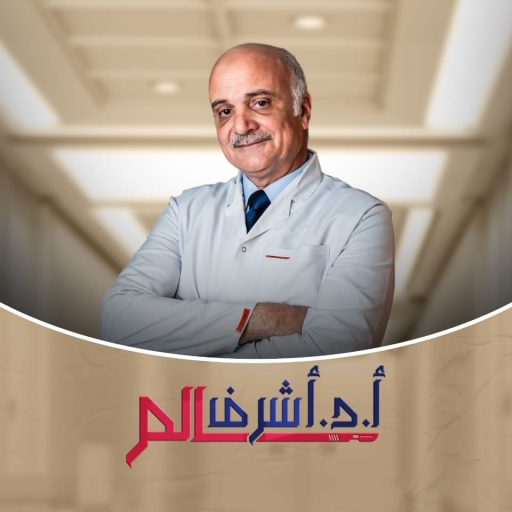
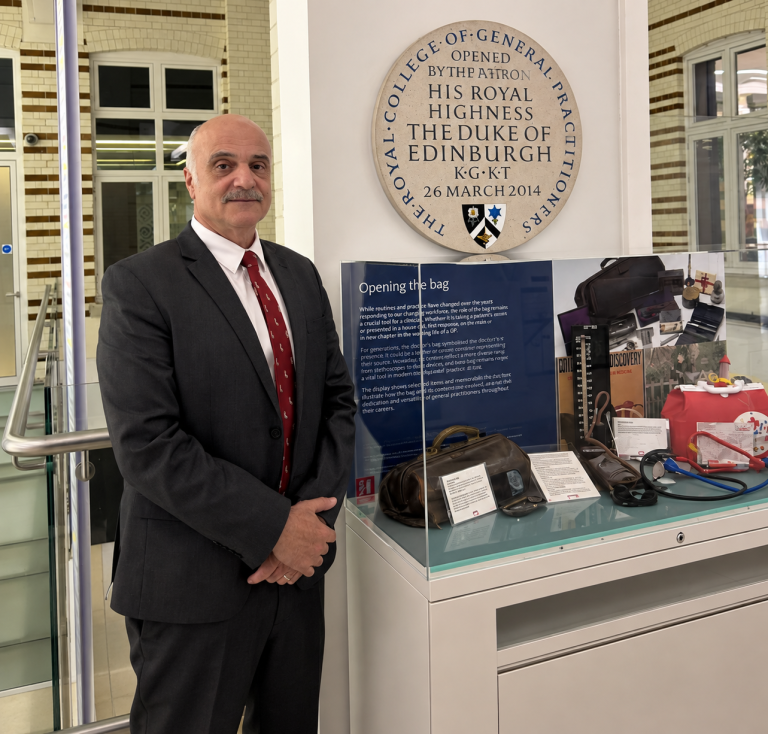
Professor Dr. Ashraf Salem is a consultant in general surgery, laparoscopic surgery, and endocrine surgery in Cairo, Egypt. Patients considering an operation can seek a specialist assessment to understand their diagnosis, available treatment options, and whether a laparoscopic procedure is appropriate.
What Is Laparoscopic Surgery?
Laparoscopic surgery, also known as keyhole surgery or minimally invasive surgery, is a technique in which a surgeon uses a small camera and specialized instruments to perform an operation through small incisions.
The camera displays images of the surgical area on a monitor, allowing the surgeon to work while viewing the internal structures.
Laparoscopy is commonly used for selected abdominal procedures, including gallbladder removal, appendectomy, hernia repair, and certain operations involving the digestive system.
Not every operation can be performed safely through laparoscopy. The decision depends on the diagnosis, previous operations, the extent of disease, and the surgeon’s assessment.
What Conditions Can Be Treated With Laparoscopic Surgery?
Laparoscopic surgery can be used to treat a range of surgical conditions. The most appropriate procedure depends on the patient’s diagnosis and clinical evaluation.
1. Gallbladder Stones and Gallbladder Disease
Laparoscopic cholecystectomy is commonly performed to remove the gallbladder when gallstones cause symptoms or when another medical indication makes removal appropriate.
The surgeon uses a camera and specialized instruments to remove the gallbladder through small incisions.
The recommended treatment depends on the symptoms, examination findings, imaging results, and the patient’s overall health.
2. Appendicitis
Appendectomy is an operation to remove the appendix when surgery is indicated for appendicitis.
A laparoscopic approach may be suitable for many patients, although the choice of technique depends on the severity of the condition, previous abdominal surgery, available resources, and the surgeon’s judgment.
Suspected appendicitis requires prompt medical assessment, particularly when abdominal pain becomes severe or is accompanied by fever or vomiting.
3. Hernia Repair
A hernia occurs when tissue protrudes through a weakened area of the surrounding muscle or connective tissue.
Some abdominal wall hernias, including selected inguinal and ventral hernias, can be repaired using laparoscopic techniques. The best approach depends on the type and size of the hernia, previous operations, the patient’s health, and the surgeon’s expertise.
A hernia that becomes suddenly painful, firm, discolored, or associated with vomiting requires urgent medical evaluation.
4. Hiatal Hernia and Selected Esophageal Conditions
A hiatal hernia occurs when part of the stomach moves upward through the opening in the diaphragm.
Some patients can manage symptoms with lifestyle changes and medication. Surgery may be considered in selected cases after evaluation, particularly when symptoms persist or complications occur.
When an operation is appropriate, a laparoscopic approach may be an option depending on the patient’s condition and the planned procedure.
5. Selected Colon and Abdominal Operations
Laparoscopic techniques may be used for certain operations involving the colon and other abdominal organs, including selected cases requiring removal of part of the colon.
The appropriate approach depends on the underlying disease, its extent, the patient’s general health, and the surgeon’s assessment. Open surgery may still be necessary in some circumstances.
What Are the Benefits of Laparoscopic Surgery?
For appropriately selected patients, laparoscopic surgery may offer several advantages compared with open surgery.
Smaller Incisions
Laparoscopic procedures usually require several small incisions rather than one larger incision. This may result in smaller surgical scars.
Less Postoperative Pain
Some patients experience less pain after minimally invasive surgery, although pain levels vary according to the procedure and individual circumstances.
Potentially Faster Recovery
Patients may return to normal daily activities sooner after some laparoscopic procedures than after comparable open operations. Recovery depends on the operation, the patient’s health, and whether complications occur.
Shorter Hospital Stay in Some Cases
Certain laparoscopic procedures allow patients to leave the hospital earlier. However, hospital stay varies according to the procedure, clinical condition, and postoperative progress.
Reduced Wound-Related Complications in Selected Procedures
Minimally invasive surgery may reduce some wound-related complications in appropriate cases. It does not eliminate the risks of infection, bleeding, injury to nearby structures, or other surgical complications.
Important: Laparoscopic surgery is not automatically safer or better for every patient. The recommended approach should be based on the expected benefits and risks for the specific condition.
Laparoscopic Surgery vs. Open Surgery: What Is the Difference?
| Feature | Laparoscopic surgery | Open surgery |
|---|---|---|
| Incisions | Usually several small incisions | Usually one larger incision |
| Surgical view | Camera and monitor | Direct surgical view |
| Postoperative pain | May be lower in suitable procedures | May be greater, depending on the operation |
| Recovery | May be faster for selected procedures | May require a longer recovery |
| Suitability | Depends on the condition and patient | May be preferred or necessary in some cases |
The choice between laparoscopic and open surgery should be discussed with the surgeon. Some procedures may begin laparoscopically but require conversion to open surgery if this becomes necessary for patient safety.
How to Choose the Best Laparoscopic Surgeon in Egypt
When searching for the best laparoscopic surgeon in Egypt, it is important to assess relevant qualifications, experience with the specific procedure, and the quality of the consultation.
Relevant Qualifications and Surgical Training
Check the surgeon’s medical qualifications, specialist training, and professional credentials. These should be relevant to the operation you may need.
Experience With Your Specific Procedure
Laparoscopic surgery covers many different operations. A surgeon’s experience with the procedure relevant to your condition is more useful than a general claim of expertise in laparoscopy.
Ask about the recommended technique and why it is appropriate for your case.
Careful Assessment Before Surgery
A suitable surgeon should review your symptoms, medical history, physical examination, and relevant investigations before recommending surgery.
You should understand the diagnosis, whether surgery is necessary, and whether non-surgical alternatives are available.
Clear Discussion of Risks and Alternatives
Every operation carries potential risks. Your surgeon should explain the expected benefits, possible complications, alternatives, and circumstances in which an open procedure may be needed.
Postoperative Care and Follow-Up
Ask about pain management, wound care, activity restrictions, warning signs, and the follow-up plan after surgery.
Good surgical care includes preparation before the operation and appropriate monitoring during recovery.
Why Consider Professor Dr. Ashraf Salem for Laparoscopic Surgery in Cairo?
Professor Dr. Ashraf Salem is a consultant in general surgery, laparoscopic surgery, and endocrine surgery. His published professional profile lists fellowships from the Royal Colleges of Surgeons in London, Glasgow, Edinburgh, and Ireland, along with more than 30 years of surgical experience.
His listed surgical practice includes several procedures involving the abdomen, digestive system, and endocrine glands. The appropriate procedure and surgical technique depend on the patient’s diagnosis and individual assessment.
During a consultation, patients can discuss:
- Their symptoms and medical history.
- Relevant imaging, laboratory results, and previous reports.
- Whether surgery is necessary or other treatments are appropriate.
- Whether a laparoscopic approach is suitable.
- The expected benefits, risks, and possible alternatives.
- Recovery instructions and postoperative follow-up.
A consultation helps establish an individualized treatment plan rather than assuming that every patient needs the same operation.
What Should You Bring to a Surgical Consultation?
If you are considering laparoscopic surgery, bring any relevant medical information to your appointment, including:
- Previous imaging reports, such as ultrasound or CT scans.
- Relevant blood test results.
- Reports from previous operations or hospital admissions.
- A list of medications and supplements.
- Details of allergies and significant medical conditions.
- A summary of your symptoms and questions.
These details help the surgeon evaluate your condition and determine whether additional investigations are needed.
Frequently Asked Questions About Laparoscopic Surgery in Egypt
Who is the best laparoscopic surgeon in Egypt?
There is no single surgeon who is the best choice for every operation. The right surgeon depends on your condition, the specific procedure required, relevant qualifications, and experience with that operation. Patients should review professional credentials and discuss treatment options directly with the surgeon.
Is laparoscopic surgery better than open surgery?
Laparoscopic surgery may offer smaller incisions, less postoperative pain, and faster recovery for some procedures. However, open surgery may be more appropriate in certain cases. The decision depends on the diagnosis, patient safety, and the surgeon’s assessment.
Is laparoscopic surgery safe?
Laparoscopic surgery is widely used for many procedures and can be appropriate for suitable patients. Like all surgery, it carries risks, including bleeding, infection, injury to nearby structures, and complications related to anesthesia. Your surgeon should explain the risks relevant to your case.
How long does recovery take after laparoscopic surgery?
Recovery varies significantly according to the procedure, the patient’s health, and whether complications occur. Some patients resume light activities within a few days, while major operations may require several weeks or longer. Follow your surgeon’s specific instructions.
Does laparoscopic surgery leave scars?
Yes. Laparoscopic surgery involves small incisions that usually leave small scars. Their appearance varies according to the incision sites, skin type, healing process, and other individual factors.
Can all abdominal operations be performed laparoscopically?
No. Many operations can be performed laparoscopically, but some conditions require open surgery. In other cases, the surgeon may start laparoscopically and convert to an open procedure if necessary for safety.
Where can I consult a laparoscopic surgeon in Cairo?
You can contact Professor Dr. Ashraf Salem’s clinic in Nasr City, Cairo, to ask about an assessment for a surgical condition and discuss whether laparoscopic surgery may be suitable.
Book a Consultation With Professor Dr. Ashraf Salem
If you have been diagnosed with a gallbladder condition, hernia, appendicitis, or another surgical problem, the first step is to obtain an accurate diagnosis and understand the available treatment options.
Professor Dr. Ashraf Salem, Consultant in General Surgery, Laparoscopic Surgery, and Endocrine Surgery, provides consultations for patients who require assessment of surgical conditions and possible operative treatment.
Contact the clinic to arrange a consultation and discuss the most appropriate treatment for your condition.
Clinic location: Nasr City, Cairo, Egypt.
Phone: 01113990919